
When a Name Brings Both Relief and Fear
For many people, receiving a mental health diagnosis can feel complicated.
Some experience relief. A name for long-standing struggles can provide language, validation, and understanding. Experiences that once felt confusing or isolating suddenly make more sense.
At the same time, labels can carry weight.
Questions may arise quietly: Will people see me differently? Does this change who I am? Will this follow me forever?
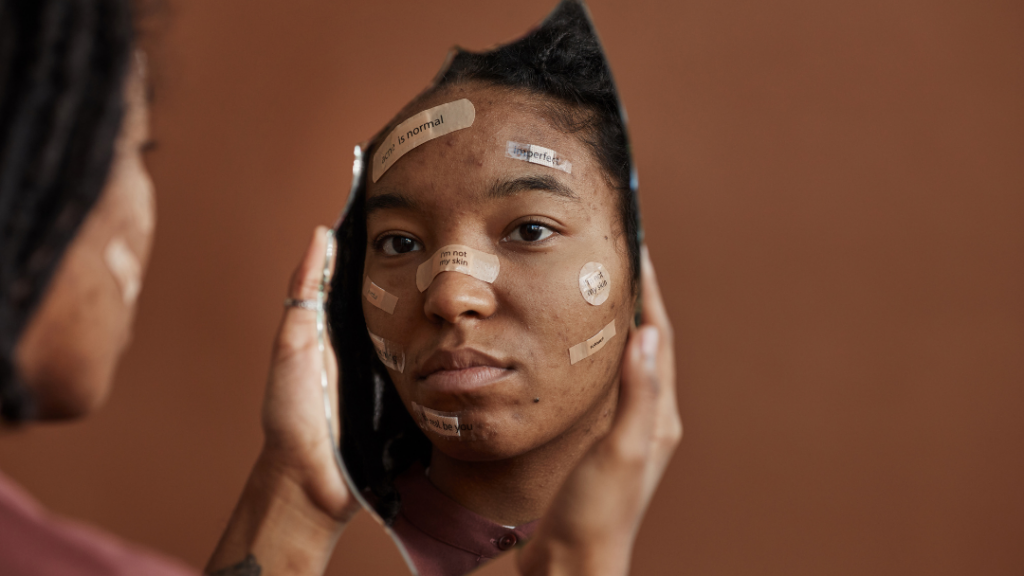
Mental health language exists to support care and communication. Yet when labels become identity rather than information, they can unintentionally narrow how individuals see themselves and how others respond to them.
Living beyond labels does not mean ignoring diagnosis or minimizing mental health experiences. It means remembering that identity is always larger than any single description.
Why Diagnoses Exist in Mental Health Care
Mental health diagnoses serve practical purposes.
They help clinicians communicate clearly, guide treatment planning, and connect individuals with resources or accommodations when needed. A diagnosis can create access to support that might otherwise be difficult to obtain.
For many people, diagnosis offers validation.
It can explain emotional patterns, mood changes, or struggles that once felt like personal failure. Understanding that symptoms have biological or psychological foundations often reduces shame.
At the same time, diagnostic language was never intended to summarize a person’s entire life. It describes patterns of experience—not personality, character, or potential.
Holding that distinction can protect dignity.
When Labels Become Limiting
Problems arise when labels begin to replace curiosity.
Individuals may hear assumptions about capability, stability, or reliability once a diagnosis becomes known. Others may internalize messages suggesting they are fragile, difficult, or permanently limited.
Internalized stigma can quietly influence decision-making.
Someone may avoid pursuing goals because they assume failure is inevitable. Relationships may feel risky if rejection seems likely. Emotional experiences may be dismissed as “just symptoms,” even when they deserve genuine attention.
Labels can unintentionally shrink possibility when they are misunderstood as destiny.
Mental health care works best when language creates understanding rather than restriction.
Identity Is Always Larger Than Diagnosis
Human identity is layered.
People hold cultural histories, values, talents, relationships, creativity, humor, and dreams alongside mental health experiences. These elements continue to exist regardless of diagnosis.
Someone living with anxiety may also be a devoted parent or innovative problem solver. A person navigating bipolar disorder may be deeply creative or compassionate. Individuals managing trauma responses often carry extraordinary resilience.
Diagnosis describes part of a story.
It does not erase personality or purpose.
Remembering this helps individuals reconnect with aspects of themselves that may have felt overshadowed by struggle.
The Role of Hope in Mental Health
Hope is sometimes misunderstood as unrealistic optimism.
In clinical practice, hope often looks quieter.
It may appear as willingness to try again after difficulty. It may involve learning new coping strategies or rebuilding trust in relationships. Sometimes hope simply means believing that today’s experience does not have to define tomorrow’s possibilities.
Hope does not deny hardship.
It allows space for growth alongside it.
Many individuals living with mental health conditions build meaningful lives that include work, connection, creativity, and joy. Progress may unfold gradually, but change remains possible.
Hope grows strongest when expectations are compassionate rather than demanding.
Language Matters — Especially Self-Language
The way people speak about themselves shapes emotional experience.
Statements such as “I am broken” or “I will always struggle” can reinforce feelings of permanence. Over time, identity may become organized around limitation rather than possibility.
Person-first language offers an alternative perspective.
Saying “I live with depression” rather than “I am depressed” creates subtle distance between identity and experience. The individual remains central.
This shift does not deny reality.
Instead, it reminds people that emotional experiences are part of life—not the entirety of who they are.
Relationships and the Experience of Being Seen
Living beyond labels often depends on relational environments.
When others respond primarily to diagnosis, individuals may feel reduced to symptoms. Conversations may revolve around monitoring behavior rather than understanding emotion.
Supportive relationships do something different.
They allow space for honesty without assuming fragility. They recognize struggle without overlooking strength. They offer accountability while maintaining respect.
Feeling seen as a whole person can significantly influence mental health outcomes.
Connection reminds individuals they are more than what they are managing.
The Courage of Self-Discovery
Mental health journeys frequently involve learning new aspects of oneself.
People may discover emotional needs that were previously ignored or strengths that developed through adversity. Boundaries may become clearer. Values may shift.
This process can feel unfamiliar.
Letting go of old expectations—whether personal or cultural—sometimes brings grief alongside growth. Identity evolves gradually through experimentation and reflection.
Growth rarely looks dramatic from the outside. Often it appears as small decisions made differently over time.
Choosing rest. Speaking honestly. Asking for help when needed.
These moments shape identity beyond diagnosis.
Support as One Possible Resource
Many individuals find additional perspective helpful while navigating identity and mental health.
Professional mental health support can offer space to explore self-understanding without judgment. Conversations may focus on identity development, coping strategies, relationships, or navigating stigma.
Supportive care is collaborative rather than corrective.
Outside therapy, support may come through trusted friendships, peer communities, creative expression, advocacy work, or spiritual reflection.
Healing rarely happens in isolation.
What matters most is access to spaces where authenticity feels safe.
Sources of Stability and Meaning
People often reconnect with identity through what feels meaningful.
Some rediscover creativity or hobbies that reconnect them with joy. Others find grounding through culture, community involvement, or practices that encourage reflection and calm.
Meaning does not erase difficulty.
It provides direction.
When life aligns with personal values, mental health care becomes less about managing symptoms alone and more about building a life worth participating in fully.
Identity expands through connection to what matters.
A Moment for Reflection
Sometimes identity becomes easier to recognize in quiet moments rather than through answers.
You may notice how you describe yourself when no one else is listening. The roles you step into naturally. The environments where you feel most at ease. Often, these moments reveal parts of you that exist beyond struggle—qualities that have remained present even during difficult seasons.
Growth does not always arrive as certainty. It may appear as curiosity about what feels meaningful now, or as permission to release expectations that no longer fit.
If healing invites anything, it may simply be this: allowing yourself to be seen in fuller ways. Not only through what has been hard, but through what continues to endure—your values, your relationships, your creativity, and your capacity to move forward at your own pace.
Understanding yourself is not a task to complete.
It is a relationship that continues to evolve.
More Than a Name
Mental health labels can offer understanding, access to care, and important language for healing.
But they are not the whole story.
Living beyond labels means allowing diagnosis to inform care without defining identity. It means holding space for hope alongside realism and recognizing that growth often happens quietly.
People are not problems to solve.
They are stories still unfolding.
When dignity and understanding guide mental health conversations, individuals are free to move forward not as diagnoses—but as whole human beings.
