
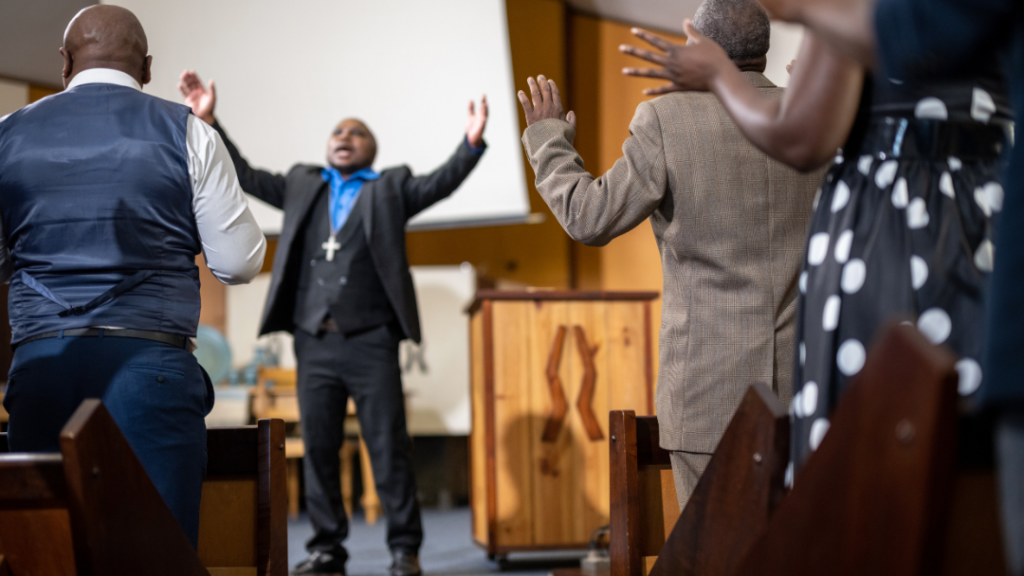
Ministry leaders are often the people others turn to during life’s most difficult moments.
They offer encouragement during uncertainty, provide comfort through grief, help families navigate crises, and create spaces where people can seek spiritual guidance and connection.
They may be present during hospital visits, funerals, family conflicts, personal struggles, and seasons of significant change.
Their role is often associated with strength, wisdom, compassion, and the ability to remain grounded when others feel overwhelmed.
But what happens when the person everyone turns to is struggling, too?
Behind the sermons, prayers, counseling conversations, and community responsibilities, ministry leaders may be carrying emotional burdens that remain largely unseen.
They may experience exhaustion, grief, loneliness, anxiety, self-doubt, or the pressure of feeling responsible for everyone else’s well-being.
And because their role is centered on serving others, acknowledging their own needs can sometimes feel uncomfortable.
Ministry leaders are not exempt from emotional struggles simply because they are called to support others.
Recognizing the hidden weight of ministry leadership is an important part of creating healthier faith communities where care extends to the people providing it.
When Being the Strong One Becomes an Expectation
Ministry leadership often involves being emotionally available during moments when others are experiencing distress.
A pastor may offer comfort to a grieving family while privately navigating a difficult season of their own.
A ministry director may help resolve conflict within a congregation while feeling overwhelmed by responsibilities outside the church.
A spiritual leader may consistently encourage others to seek rest, connection, and support while struggling to make space for those same needs personally.
Over time, the expectation of being dependable can become difficult to separate from personal identity.
Leaders may feel that they must remain composed, optimistic, and spiritually grounded regardless of what they are experiencing internally.
They may worry that expressing uncertainty will cause others to question their leadership or that acknowledging emotional exhaustion will be interpreted as a lack of faith.
But strength does not require the absence of vulnerability.
Healthy leadership includes recognizing personal limits and understanding that those who care for others also need opportunities to receive care.
The Emotional Labor People Rarely See
Ministry responsibilities often extend far beyond what happens during scheduled services or formal gatherings.
Much of the work involves responding to the emotional and spiritual needs of others.
A single week may include supporting someone through a marriage crisis, visiting a hospitalized congregant, preparing a funeral, addressing interpersonal conflict, and offering encouragement to someone experiencing anxiety or grief.
Each interaction requires attention, empathy, and emotional presence.
Even when these responsibilities are meaningful, they can become demanding when there is limited opportunity to process what has been heard or experienced.
Ministry leaders may carry concerns about individuals and families long after conversations have ended.
They may also experience the difficult balance between maintaining confidentiality and finding appropriate support for their own emotional responses.
Without adequate opportunities for rest and reflection, this ongoing emotional labor can contribute to stress, compassion fatigue, and burnout.
When Ministry Becomes Difficult to Step Away From
Unlike roles with clearly defined working hours, ministry responsibilities can extend into evenings, weekends, holidays, and personal time.
Emergencies may arise unexpectedly. Congregants may reach out during family gatherings or moments intended for rest.
Because ministry is often understood as a calling, leaders may feel guilty establishing limits around their availability.
They might believe that saying no means failing someone who needs them.
Over time, this can create an unsustainable pattern in which personal needs, family relationships, sleep, and restorative activities are continually postponed.
The difficulty is not necessarily a lack of commitment.
Sometimes it is the belief that commitment must involve being constantly available.
However, meaningful service and healthy boundaries are not opposing values.
Creating reasonable expectations around availability, sharing responsibilities, and developing appropriate support systems can help ministry leaders remain engaged without sacrificing their emotional well-being.
The Loneliness of Being Everyone’s Support System
Ministry leadership can involve frequent interaction with people while still feeling personally isolating.
A leader may know the struggles of many individuals within their congregation but have few relationships where they feel comfortable sharing their own experiences.
They may worry about burdening others, compromising professional boundaries, or creating uncertainty about their ability to lead.
Some may also feel pressure to maintain an image of spiritual confidence.
This can create a painful imbalance.
They are surrounded by people who appreciate their guidance, yet they may have limited opportunities to be known beyond their role.
Having people who respect your leadership is not necessarily the same as having relationships where you can express fear, disappointment, grief, or exhaustion without needing to provide reassurance in return.
Ministry leaders need connection that allows them to be people, not only providers of spiritual care.
When Spiritual Responsibility Becomes Personal Pressure
Faith can provide meaningful strength during demanding seasons.
However, ministry leaders may also experience internal pressure to respond to every difficulty with unwavering confidence.
They may believe they should always have an encouraging message, know the right Scripture, or demonstrate emotional stability for those around them.
When they experience anxiety, sadness, or burnout, they may begin questioning themselves.
Shouldn’t I be handling this better?
How can I encourage others when I feel discouraged myself?
Does needing help mean I am falling short in my calling?
These questions can make it harder to acknowledge genuine emotional needs.
But experiencing distress does not mean someone lacks spiritual maturity or commitment.
The Bible itself offers reminders that support and responsibility were never intended to exist in isolation.
“Bear ye one another’s burdens, and so fulfil the law of Christ.” — Galatians 6:2 (KJV)
This encouragement is not limited to those receiving ministry.
It also reminds faith communities that care is a shared responsibility.
The people who offer guidance, comfort, and encouragement deserve opportunities to receive those things themselves.
Recognizing Compassion Fatigue and Burnout in Ministry
Because ministry often involves supporting people through emotionally demanding experiences, leaders may become vulnerable to compassion fatigue and burnout.
Although these experiences are related, they are not identical.
Compassion fatigue can involve emotional strain associated with repeated exposure to other people’s suffering.
Burnout is commonly associated with prolonged, inadequately managed workplace stress and may involve exhaustion, growing emotional distance from work, and reduced feelings of effectiveness.
In ministry settings, warning signs may include:
- Feeling emotionally depleted before responsibilities begin.
- Becoming increasingly irritable, detached, or overwhelmed.
- Struggling to concentrate or make decisions.
- Experiencing changes in sleep or physical energy.
- Feeling less connected to previously meaningful responsibilities.
- Withdrawing from personal relationships.
- Experiencing guilt when resting or taking time away.
These experiences do not automatically indicate a mental health diagnosis, and similar symptoms can have different causes.
However, persistent changes in emotional well-being deserve attention.
Recognizing exhaustion is not an admission that someone is unfit for ministry.
It is an opportunity to consider what support, adjustments, or professional care may be needed.
When Supporting Others Leaves Little Room for Personal Grief
Ministry leaders are often present during significant losses within their communities.
They may prepare memorial services, support grieving families, and provide spiritual reassurance during painful circumstances.
Yet they may also be personally affected by those same losses.
A pastor may have known the deceased for many years. A ministry leader may have developed close relationships with families experiencing tragedy.
While helping others process grief, they may have little opportunity to acknowledge their own sadness.
Personal losses can create additional challenges.
When a leader experiences illness in the family, the death of a loved one, or another difficult transition, congregational responsibilities may continue.
They may feel compelled to return to supporting others before they have had time to process what happened.
Grief does not become less significant because someone holds a leadership position.
Allowing ministry leaders space to mourn, receive support, and adjust responsibilities during difficult seasons is an important expression of community care.
The Impact on Family and Personal Relationships
The emotional demands of ministry do not necessarily remain within church walls.
A leader who spends much of the day supporting others may return home feeling emotionally exhausted.
Their spouse, children, or other loved ones may experience the effects of unpredictable schedules, interrupted family time, or limited emotional availability.
Ministry leaders may also struggle with being fully present during personal moments because their attention remains focused on unresolved congregational concerns.
This does not mean they care less about their families.
It highlights the difficulty of managing multiple meaningful responsibilities without adequate support or recovery time.
Protecting personal relationships may involve establishing clearer availability expectations, sharing ministry responsibilities, and creating intentional opportunities for connection outside leadership roles.
A sustainable approach to ministry makes room for the relationships and personal needs that exist beyond the congregation.
Why Asking for Help Can Feel Difficult
Ministry leaders may encourage others to seek counseling, build supportive relationships, and recognize when they need additional care.
Yet taking those same steps personally can feel vulnerable.
Some worry about confidentiality or whether others will misunderstand their decision to seek professional support.
Others may believe their concerns are not serious enough to justify attention.
They might also feel responsible for managing their struggles privately to avoid disappointing their congregation.
These barriers can contribute to delayed support, particularly when someone continues fulfilling their responsibilities despite significant emotional distress.
Mental health care is not reserved for people who have reached a crisis.
Counseling can provide ministry leaders with a confidential space to explore stress, grief, burnout, boundaries, relationships, and the emotional demands of their roles.
Seeking support does not replace spiritual practices or diminish the importance of faith.
It can be another meaningful part of caring for the whole person.
Faith and Emotional Care Can Coexist
Ministry leaders may spend considerable time encouraging others through Scripture, prayer, and spiritual connection.
But those practices can also become difficult to engage with personally when someone feels exhausted or overwhelmed.
Sometimes the pressure to provide spiritual guidance can make personal faith feel connected to another responsibility rather than a source of restoration.
Creating space for spiritual care that is not tied to preparing sermons, leading groups, or meeting congregational needs may help leaders reconnect with their own faith experience.
Scripture offers this invitation:
“Come unto me, all ye that labour and are heavy laden, and I will give you rest.” — Matthew 11:28 (KJV)
These words offer encouragement to those carrying heavy responsibilities.
Rest is not presented as something reserved only for people who have completed every task or met every expectation.
It is an invitation that can also extend to those who spend their lives caring for others.
For ministry leaders, spiritual renewal and emotional care can exist alongside professional mental health support, healthy boundaries, and meaningful relationships.
None of these practices needs to replace the others.
How Congregations Can Better Support Their Leaders
Creating healthier ministry environments requires more than encouraging individual leaders to practice self-care.
Faith communities can also examine the expectations and structures that influence their leaders’ well-being.
Consider whether one person is expected to remain available for every concern, manage every crisis, or carry responsibilities that could be shared.
Congregations and ministry teams can help by establishing realistic expectations around availability, protecting time away, developing shared leadership responsibilities, and encouraging access to confidential support.
They can also make space for conversations that recognize ministry leaders as individuals with emotional needs, family responsibilities, and personal challenges.
Appreciation matters, but practical support matters, too.
A leader may receive frequent expressions of gratitude while still lacking the resources or time necessary to maintain their well-being.
Supporting ministry leadership involves creating conditions where people can serve meaningfully without being expected to function without limits.
Creating Space for Honest Conversations
One of the most meaningful changes a faith community can make is reducing the expectation that leaders must always appear emotionally strong.
Ministry leaders should be able to acknowledge difficult seasons without automatically feeling that their credibility is at risk.
This does not mean every personal struggle needs to be shared publicly.
Healthy boundaries and appropriate confidentiality remain important.
Rather, leaders benefit from having trusted relationships, professional resources, and organizational support where they can express concerns honestly.
Questions such as these can help create opportunities for meaningful reflection:
Who can I speak with when I am struggling?
Do I have relationships where I am valued beyond my leadership role?
What responsibilities have become difficult to sustain?
Am I allowing myself the same compassion I regularly extend to others?
What would meaningful support look like in this season?
These questions are not signs of weakness.
They can help ministry leaders recognize needs that may otherwise remain hidden behind their responsibilities.
The Shepherd Needs Care, Too
Ministry leadership can be deeply meaningful, but meaningful work can still be emotionally demanding.
The responsibility of supporting others through grief, uncertainty, conflict, and personal struggles may create burdens that are not immediately visible to the congregation.
A leader may continue preaching, counseling, organizing, and encouraging others while privately navigating exhaustion, loneliness, or emotional distress.
Recognizing these realities does not diminish the importance of ministry.
It creates opportunities to approach leadership with greater compassion and sustainability.
The people who consistently make room for others need relationships where their own experiences can be heard.
Those who encourage rest need permission to experience it.
And those who guide others toward healing deserve access to support for their own emotional well-being.
Caring for the shepherd is not separate from caring for the congregation. It is part of building a community where support, compassion, and shared responsibility extend to everyone.
