
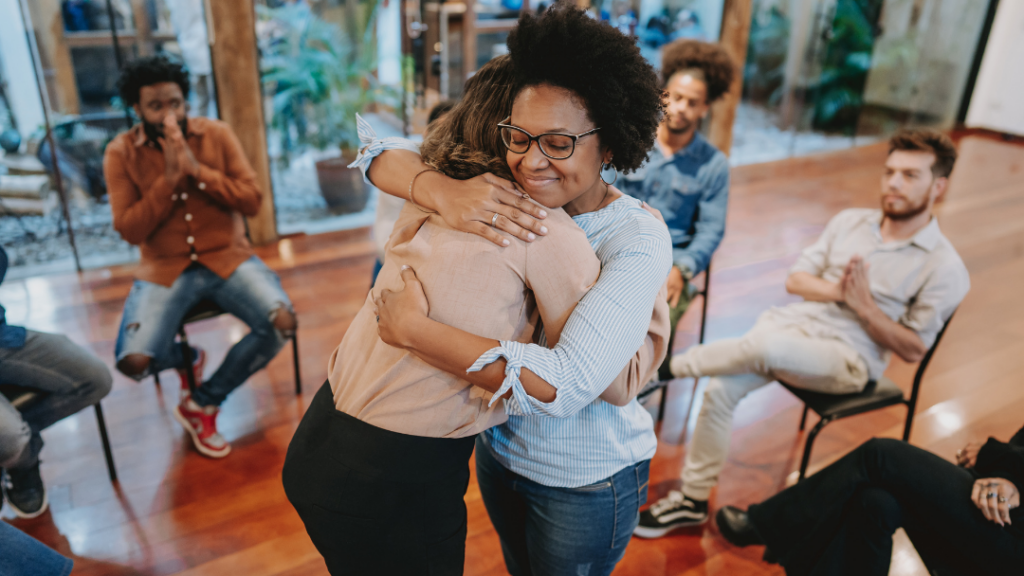
Mental Health Does Not Exist in Isolation
Mental health is often discussed as though it is shaped only by individual thoughts, emotions, or behaviors.
In reality, our emotional well-being develops within the context of our relationships, cultural experiences, family dynamics, and communities. These influences shape how we understand emotions, respond to stress, seek support, and define healing throughout our lives.
While every person’s experience is unique, recognizing the role that culture, family, and community play in mental health helps us move beyond one-size-fits-all approaches to emotional wellness.
Healing is often strengthened when the people, values, and environments that matter most to us are acknowledged and respected.
Culture Shapes How We Understand Mental Health
Culture influences far more than traditions or customs.
It shapes how people communicate emotions, interpret life’s challenges, define resilience, and view mental health itself.
In some cultures, emotional expression is encouraged and openly discussed. In others, perseverance, privacy, or maintaining harmony within the family may be emphasized. Neither approach is inherently right or wrong—they simply reflect different ways of understanding emotional experiences.
These cultural perspectives can influence whether someone feels comfortable talking about anxiety, depression, grief, trauma, or other mental health concerns.
For some individuals, seeking professional support feels natural. For others, emotional struggles may be viewed as something to manage privately or within the family.
Understanding these differences helps create more compassionate conversations and reduces assumptions about how healing “should” look.
Family Often Shapes Our First Understanding of Emotions
Long before most people understand mental health terminology, they are learning about emotions through their families.
Families often teach—both directly and indirectly—how emotions are expressed, managed, or avoided.
Some families encourage open conversations about difficult experiences. Others communicate love through actions rather than words. Some emphasize independence, while others prioritize collective support and shared responsibility.
These early experiences can influence how individuals:
- express emotions
- ask for help
- respond to conflict
- establish boundaries
- view vulnerability
- navigate stress
These patterns often continue into adulthood, shaping relationships and emotional well-being in ways people may not fully recognize.
Understanding family influences is not about assigning blame.
It is about recognizing how early experiences contribute to current emotional patterns.
Community Can Be a Powerful Source of Healing
Humans are wired for connection.
Healthy communities provide opportunities for belonging, encouragement, shared understanding, and emotional support during difficult seasons.
For many people, community may include neighbors, close friends, cultural organizations, support groups, faith communities, workplaces, or volunteer organizations.
Feeling connected to others can reduce isolation, increase resilience, and remind individuals that they do not have to carry life’s challenges alone.
Even small moments of meaningful connection—a supportive conversation, shared experience, or feeling understood—can positively influence emotional well-being.
Community does not remove life’s hardships.
But it often provides the support needed to navigate them.
Cultural Identity Can Be a Source of Strength
Conversations about culture and mental health sometimes focus primarily on barriers or disparities.
While acknowledging those realities is important, it is equally important to recognize the strengths that cultural identity can provide.
Many individuals draw resilience from:
- family traditions
- shared values
- language
- cultural celebrations
- spiritual beliefs
- collective support
- intergenerational wisdom
These sources of connection often foster belonging, purpose, and hope during stressful or uncertain seasons.
Mental health care becomes stronger when it recognizes and builds upon these existing strengths rather than overlooking them.
Barriers Can Affect Access to Support
Although mental health conversations have become more common, barriers to care still exist for many individuals and communities.
Some barriers are practical, including financial limitations, transportation, insurance concerns, or limited access to culturally responsive providers.
Others are emotional or cultural.
Some individuals worry they will not be understood. Others fear judgment from family or community members. Language differences, previous experiences with healthcare systems, or stigma surrounding mental health may also influence whether someone feels comfortable seeking support.
Recognizing these barriers helps shift the conversation away from blame and toward understanding.
Many people are not avoiding support because they do not value mental health.
They may simply be navigating obstacles that make support feel difficult to access.
Healing Looks Different Across Communities
There is no single path to emotional well-being.
For one person, healing may involve professional counseling alongside support from family and close friends. For another, healing may include community involvement, cultural traditions, creative expression, time in nature, or spiritual practices that foster hope and connection.
Many people benefit from a combination of these supports.
The goal is not to determine one “correct” approach.
It is to create space where individuals can identify what genuinely helps them feel emotionally supported while honoring their personal values, culture, and lived experiences.
When care is individualized and culturally responsive, healing often feels more accessible and meaningful.
Building Communities That Support Mental Health
Supporting mental health is not solely the responsibility of mental health professionals.
Families, workplaces, schools, faith communities, and neighborhoods all contribute to creating environments where people either feel emotionally safe—or feel they must struggle alone.
Small actions can make a meaningful difference.
Listening without judgment. Respecting different cultural experiences. Speaking openly about mental health. Encouraging support without shame. Creating spaces where people feel welcomed and valued.
These everyday interactions help reduce stigma and strengthen emotional well-being across entire communities.
Healing often begins where people feel safe enough to be themselves.
An Opportunity for Reflection
Think about the people and places where you feel most like yourself.
Perhaps it is a family member who listens without trying to solve every problem. A friend who offers encouragement without judgment. A community that reminds you that you belong. Or a quiet place where your mind and body naturally begin to settle.
These experiences matter.
They help us understand what emotional safety feels like.
You may also recognize environments where stress feels constant or where parts of yourself have felt unseen or misunderstood.
Noticing these differences is not about criticism.
It is about becoming more aware of what supports your emotional well-being and what may need greater care moving forward.
Healing Grows Through Connection
Mental health is deeply influenced by the relationships, values, and communities that shape our lives.
Culture, family, and community all play meaningful roles in how we understand emotions, respond to challenges, and experience healing.
When these influences are acknowledged with curiosity and respect, it becomes easier to create spaces where individuals feel seen, understood, and supported.
Healing does not happen in exactly the same way for everyone.
But one truth remains consistent:
People often heal best in environments where they experience connection, belonging, compassion, and emotional safety.
