
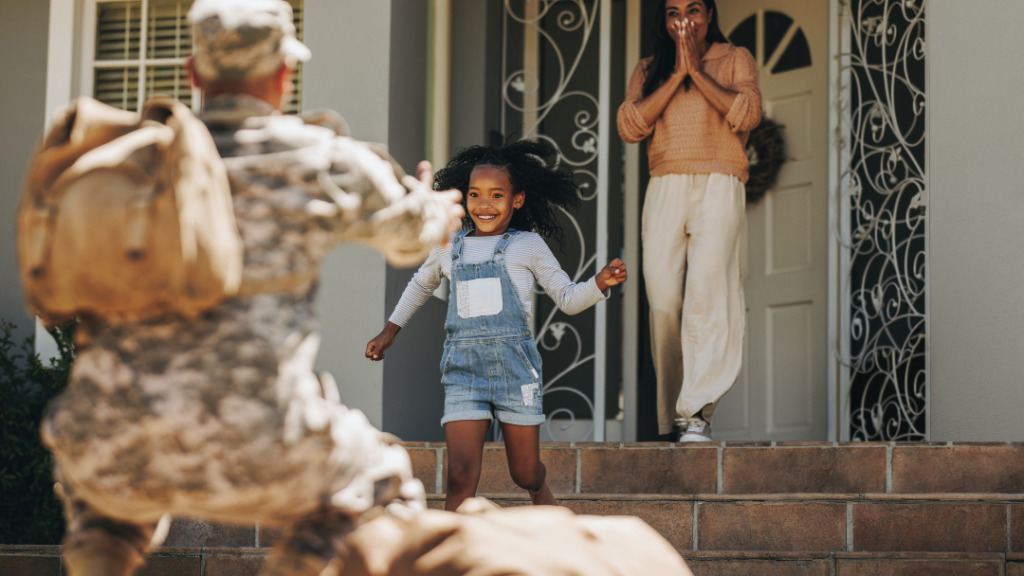
Military service can shape a person’s life in ways that extend far beyond the years spent wearing a uniform.
For many veterans, service becomes an important part of how they understand themselves, their relationships, and their place in the world.
It may influence personal values, discipline, responsibility, leadership, and the meaning someone attaches to commitment and community.
The relationships formed during service may remain significant for decades. Shared experiences can create a sense of connection that is difficult to explain to those who have not lived through similar circumstances.
And even after military responsibilities change or come to an end, the influence of service may continue shaping everyday life.
For some veterans, this connection brings pride, belonging, and a lasting sense of purpose. For others, it may also involve complicated emotions, changes in identity, or questions about where they fit during different stages of life.
Military service may be one chapter of someone’s life, but its influence on identity and belonging can continue long after that chapter changes.
As Veterans Day approaches, recognizing the relationship between military service and mental health offers an opportunity to honor veterans as whole individuals whose experiences, identities, and emotional needs extend beyond their service.
How Military Service Can Shape Personal Identity
Identity develops through experiences, relationships, values, responsibilities, and the roles people hold throughout their lives.
For many service members, military life becomes a meaningful part of that process.
Military service often involves learning to operate within a structured environment, working toward shared objectives, adapting to unfamiliar circumstances, and developing trust in others.
These experiences may strengthen qualities such as discipline, persistence, accountability, leadership, and teamwork.
Over time, those qualities can become closely connected to how someone understands themselves.
A person may begin to see themselves as dependable, capable under pressure, committed to others, or responsible for contributing to something larger than their individual needs.
Military identity can also involve a strong connection to a particular branch, unit, specialty, or role.
For some, that identity remains a source of pride and continuity throughout life.
However, military identity is not experienced in the same way by every veteran.
Some individuals feel a strong and lasting connection to their service. Others view it as one important experience among many. Still others may have complicated feelings about their military years.
Recognizing these differences is essential.
There is no single way a veteran is expected to understand, value, or relate to their service.
The Importance of Belonging and Camaraderie
Belonging is an important part of emotional well-being.
Feeling connected to others can provide reassurance, shared understanding, and a sense that someone has a meaningful place within a community.
Military environments can create distinctive opportunities for connection.
Service members may work, train, travel, and navigate demanding circumstances alongside the same individuals for extended periods.
They may depend on one another to complete responsibilities, solve problems, and respond to unexpected challenges.
These experiences can create relationships built on trust, shared expectations, and mutual responsibility.
For some veterans, the bonds formed during service become among the most meaningful relationships of their lives.
The connection may not depend on frequent communication or constant contact.
Instead, it may come from knowing that another person understands experiences that are difficult to explain.
This sense of camaraderie can remain important long after military service ends.
At the same time, some veterans may find it difficult to recreate a similar sense of connection in other environments.
Civilian relationships may develop through different routines, expectations, and shared experiences.
Someone may have supportive family members, coworkers, and friends while still missing the particular sense of belonging they experienced within their military community.
This does not mean civilian relationships are less meaningful.
It reflects how different forms of connection can meet different emotional needs.
When a Community Becomes Part of Who You Are
Military belonging can extend beyond individual friendships.
For some veterans, being part of a unit or military community becomes closely connected to personal identity.
They may associate that community with shared responsibility, mutual accountability, and the experience of working toward a common purpose.
Within that environment, someone may feel understood through their actions, responsibilities, and contributions.
When military service changes or ends, the loss of regular contact with that community may create an unexpected emotional adjustment.
A veteran may miss familiar routines, shared language, or the sense of being surrounded by people who understand the demands of military life.
They might also experience uncertainty about how to build new relationships without the same shared background.
These feelings can occur even when someone is satisfied with their current circumstances.
A person can appreciate life outside the military while still missing aspects of the community they once knew.
Recognizing this emotional complexity can help create space for veterans to maintain meaningful connections with their military experiences while developing new sources of belonging.
Identity Beyond Military Service
Military service can become such a meaningful part of someone’s identity that changes in their role may raise important questions about self-understanding.
For some veterans, leaving active service involves more than changing employment or daily responsibilities.
It may involve adjusting to a different sense of structure, purpose, and personal identity.
Someone who previously understood themselves through a military specialty, leadership position, or specific responsibility may begin considering how those experiences fit into the next stage of life.
They may ask:
- Who am I outside the role I held?
- What parts of my military experience do I want to carry forward?
- How do I define success or purpose now?
- Where do I feel the strongest sense of connection?
These questions are not necessarily signs of emotional distress.
They can be part of the natural process of identity development.
People continually adjust their understanding of themselves as responsibilities, relationships, and circumstances change.
For veterans, this process may involve recognizing that military service remains meaningful without needing to define every aspect of their lives.
A veteran can continue valuing discipline, service, and commitment while also exploring identities connected to family, career, education, creativity, friendship, faith, or community involvement.
Developing an identity beyond military service does not require leaving military identity behind.
It can mean making room for additional parts of who someone is becoming.
Finding Purpose Throughout Different Stages of Life
Purpose is often associated with having a meaningful direction, contributing to others, or participating in something that reflects personal values.
Military service can provide a clear connection between individual responsibilities and a larger mission.
For some service members, this creates a strong sense of meaning.
Their work may involve defined objectives, shared commitments, and responsibilities that contribute to a broader purpose.
After service, the way someone experiences purpose may change.
A veteran may pursue a civilian career, continue serving through volunteer work, mentor others, raise a family, return to school, or become involved in community organizations.
These experiences can provide meaningful opportunities to contribute.
However, purpose does not always develop immediately or follow a predictable path.
Someone may need time to discover what feels meaningful outside familiar responsibilities.
Others may experience changes in purpose later in life because of retirement, family transitions, health concerns, or changing priorities.
It is also important to recognize that purpose does not always need to involve leadership, achievement, or service to others.
Meaning can exist through relationships, personal interests, creativity, learning, and everyday experiences.
A veteran’s value is not dependent on continually demonstrating usefulness or accomplishment.
Allowing purpose to evolve can support a more flexible understanding of identity throughout life.
When Structure and Expectations Change
Military environments often involve defined roles, established procedures, and clear expectations.
Although individual experiences vary, this structure can become familiar and meaningful.
Changes in military status, employment, or daily responsibilities may require someone to adjust to environments that operate differently.
Civilian workplaces may have different communication styles, leadership expectations, and approaches to decision-making.
Daily routines may become less structured.
Responsibilities that were previously guided by established systems may require more individual decision-making.
For some veterans, these differences are welcome.
They may appreciate greater flexibility and the opportunity to make choices that better reflect personal preferences.
Others may find certain adjustments frustrating or unfamiliar.
A veteran may miss the clarity of defined responsibilities or the sense of shared accountability associated with military work.
These experiences do not necessarily indicate difficulty functioning outside the military.
They may reflect the process of adapting to a different environment.
Understanding how structure influences emotional well-being can help veterans identify which routines, relationships, and activities support their sense of stability and purpose.
Pride and Complicated Emotions Can Coexist
Conversations about military service sometimes focus on a limited range of emotional experiences.
Veterans may be expected to feel pride, gratitude, or satisfaction when reflecting on their service.
For many, those emotions are genuine and meaningful.
However, military experiences can also involve disappointment, grief, frustration, uncertainty, or unresolved questions.
A veteran may feel proud of their service while also grieving someone they lost.
They may appreciate the relationships formed during military life while feeling disappointed by particular experiences.
Someone may value the opportunities military service provided while also acknowledging sacrifices involving family relationships, personal goals, or time away from loved ones.
These emotions do not cancel one another out.
A veteran can honor their service while also recognizing that some parts of the experience were difficult, painful, or complicated.
Allowing emotional complexity is important because it reduces the pressure to describe military experiences in only positive or negative terms.
Veterans deserve opportunities to reflect on their lives without feeling that acknowledging difficult emotions diminishes their commitment, accomplishments, or contributions.
Mental health conversations can support this process by making room for the full range of emotions associated with personal experiences.
The Role of Grief and Loss in Military Identity
Grief can influence how veterans understand their service and their relationships.
For some, grief may involve the death of fellow service members, friends, or other important people in their lives.
Others may experience losses that are less immediately visible.
They may grieve the end of a meaningful military role, changes in physical abilities, separation from a close community, or opportunities that unfolded differently than expected.
A veteran may miss a previous version of life even while appreciating their current circumstances.
These experiences can be difficult to explain, particularly when others expect someone to feel relieved or excited about moving into a new stage of life.
Grief does not always mean wanting to return to the past.
Sometimes, it reflects the importance of what someone experienced.
Recognizing these forms of loss can help veterans understand why certain memories, relationships, or transitions continue to carry emotional significance.
It can also create opportunities to acknowledge what mattered while making room for new experiences and connections.
Why Every Veteran’s Experience Is Different
Military service is not a single, uniform experience.
Veterans come from different backgrounds and serve across branches, eras, assignments, specialties, and circumstances.
Some have experienced combat. Others have served in administrative, medical, technical, logistical, training, or support roles.
Some completed lengthy military careers, while others served for shorter periods.
Experiences may also differ based on leadership, workplace culture, relationships, family responsibilities, and the circumstances surrounding separation from service.
These differences influence how individuals understand their military identity and emotional well-being.
For one veteran, military service may be remembered primarily as a period of personal growth and meaningful connection.
Another may associate it with complicated relationships, difficult experiences, or unmet expectations.
Someone else may experience both.
It is important not to assume that every veteran has experienced trauma, lives with PTSD, or struggles to adjust to civilian life.
Likewise, it is important not to overlook emotional concerns simply because someone appears successful, maintains relationships, or speaks positively about their service.
Veterans are individuals whose mental health needs deserve consideration without relying on stereotypes about military experiences.
Military Identity and Personal Relationships
Military service can influence how someone approaches communication, responsibility, trust, and connection.
For some veterans, values developed during service continue shaping their relationships with partners, children, friends, and coworkers.
A strong sense of loyalty may influence how they approach commitment.
Experience with teamwork may shape their expectations around reliability and shared responsibility.
Familiarity with structured communication may affect how they navigate disagreements or decision-making.
These qualities can be meaningful strengths.
However, differences between military and civilian environments may occasionally create misunderstandings.
Someone may find that communication styles that were effective in one setting are received differently in another.
A veteran may also struggle to explain certain experiences to loved ones who have not shared similar circumstances.
Family members may want to understand but feel uncertain about what questions to ask.
Healthy relationships do not require identical experiences.
They benefit from curiosity, respectful communication, and opportunities for people to explain what matters to them.
For veterans, this may involve identifying which parts of military identity remain important while also developing approaches to connection that fit their current relationships.
When Belonging Feels Harder to Find
Some veterans maintain close relationships with fellow service members throughout their lives.
Others may lose contact because of geographic distance, changing responsibilities, or personal circumstances.
When military relationships were a central source of connection, reduced contact can contribute to loneliness or a sense of disconnection.
Someone may participate in everyday social activities while still feeling that an important part of their experience is not fully understood.
They may hesitate to discuss military memories because they do not want to explain unfamiliar terminology or worry that others will make assumptions.
For some, veteran organizations, peer groups, reunions, or community activities provide opportunities to reconnect with people who share aspects of their background.
Others may find belonging through friendships, faith communities, hobbies, volunteering, or professional relationships unrelated to military service.
There is no single correct way to maintain connection.
The goal is not necessarily to recreate the exact relationships or experiences of military life.
It is to recognize the importance of belonging and identify relationships where someone feels understood, respected, and valued.
Recognizing Mental Health Needs Without Making Assumptions
Veterans’ mental health is often discussed in connection with trauma and post-traumatic stress disorder.
These concerns are important, and some veterans benefit from specialized trauma-focused treatment.
However, military service does not automatically mean someone has experienced trauma or developed a mental health condition.
Veterans may seek counseling for many of the same reasons as anyone else.
These may include relationship concerns, grief, anxiety, depression, identity changes, family stress, loneliness, or difficulty navigating major life transitions.
Some individuals may want support exploring how military experiences continue influencing their sense of self.
Others may be adjusting to retirement, career changes, health concerns, or evolving family responsibilities.
A veteran does not need to have a PTSD diagnosis or a history of combat exposure to benefit from mental health care.
Emotional support should be based on the individual’s experiences and needs, not assumptions about what military service must have involved.
A respectful approach begins by listening to how each veteran understands their own history, values, relationships, and concerns.
How Counseling Can Support Identity and Emotional Well-Being
Professional counseling can provide a supportive environment for veterans to explore experiences that may be difficult to discuss elsewhere.
For some, therapy may involve processing grief, addressing anxiety or depressive symptoms, or working through relationship challenges.
For others, the focus may be on identity, belonging, purpose, or adjusting to changes in life circumstances.
Counseling may help individuals:
- Explore how military experiences have influenced personal values and self-understanding.
- Process emotions associated with changing roles, relationships, or responsibilities.
- Strengthen communication with family members and loved ones.
- Identify meaningful sources of connection and belonging.
- Navigate career transitions, retirement, or changes in personal purpose.
- Develop a broader sense of identity that includes, but is not limited to, military service.
A mental health professional does not need to assume that military service was either entirely positive or entirely difficult.
Instead, therapy can make room for the individual to describe what their experiences mean to them.
For some veterans, working with a clinician familiar with military culture may be particularly helpful.
Others may prioritize different qualities in a therapeutic relationship.
What matters is that the veteran feels respected, heard, and supported in exploring their concerns.
Seeking counseling does not diminish someone’s strength, independence, or military accomplishments.
It offers another opportunity to care for emotional well-being throughout life.
Supporting Veterans Beyond Veterans Day
Veterans Day provides an important opportunity to recognize military service and express appreciation for those who have served.
However, meaningful support extends beyond a single observance.
Veterans may benefit from communities that recognize their experiences without reducing their identities to military service alone.
This can involve showing interest in their current lives, relationships, goals, and personal interests.
It may also mean avoiding assumptions about combat experiences, trauma, political beliefs, or how someone feels about their time in the military.
Some veterans enjoy sharing stories about their service.
Others prefer privacy or may not want military experiences to become the focus of every conversation.
Respecting those preferences is part of recognizing individual identity.
Support can also involve creating opportunities for connection, acknowledging life transitions, and encouraging access to appropriate mental health resources when needed.
Appreciation is meaningful, but understanding matters, too.
Veterans deserve to be recognized not only for what they contributed during service but also for the individuals they are throughout the rest of their lives.
Making Room for Identity Beyond the Uniform
Military service can remain an important part of someone’s identity long after their responsibilities change.
The values developed, relationships formed, and experiences shared may continue influencing how a veteran understands themselves and the world around them.
For some, that connection provides lasting pride and purpose.
For others, it may also involve complicated emotions, changing relationships, or questions about belonging.
Both experiences deserve recognition.
Identity does not have to remain fixed around one role or period of life.
A veteran can honor military service while continuing to grow through family relationships, personal interests, community involvement, career changes, and new experiences.
They can maintain meaningful connections to their military community while developing additional sources of belonging.
And they can seek emotional support without needing to demonstrate that their experiences fit a particular narrative about veterans’ mental health.
The uniform may represent an important part of someone’s story, but it does not tell the whole story of who they are.
This Veterans Day, honoring service can also mean recognizing the person beyond it—their relationships, values, emotional experiences, and evolving sense of purpose.
Because supporting veterans’ mental health involves more than understanding what they have experienced.
It also involves making room for who they are today and who they are continuing to become.
