
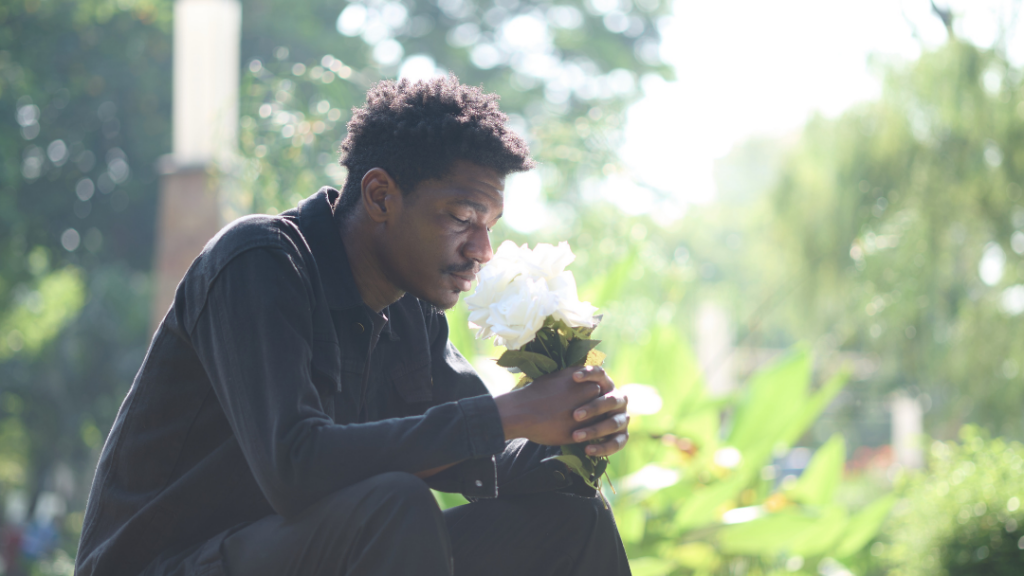
Grief Is Bigger Than Most People Realize
When people hear the word grief, they often think of the death of a loved one.
While bereavement is one of the most recognized forms of grief, it is far from the only one.
Grief is our emotional response to loss—and loss can take many forms. The end of a relationship, a life-changing diagnosis, infertility, losing a job, moving away from a community, or watching a child leave home can all bring feelings of grief.
Because these experiences aren’t always recognized by others, people may struggle in silence, believing they “shouldn’t” feel the way they do.
The truth is that grief is not measured by the type of loss. It is shaped by the meaning that loss holds in your life.
Grief Can Follow Many Different Life Experiences
Loss changes more than our circumstances. It often changes our expectations, routines, relationships, and sense of identity.
Some experiences that can lead to grief include:
- The end of a marriage or significant relationship.
- Miscarriage, infertility, or pregnancy loss.
- A chronic illness or serious medical diagnosis.
- Losing a job or changing careers.
- Retirement.
- Children leaving home.
- Moving away from family or close friends.
- Financial hardship.
- Changes in physical ability or independence.
- The loss of future plans or dreams.
Each of these experiences involves letting go of something meaningful, even if nothing has physically disappeared.
Recognizing these losses can be an important first step toward healing.
Grief Doesn’t Follow a Timeline
One of the most common misconceptions about grief is that it should eventually be “over.”
Healing doesn’t work that way.
Some days may feel lighter, while others unexpectedly bring a wave of sadness. Anniversaries, holidays, familiar places, or even ordinary moments can bring emotions back to the surface.
This doesn’t mean you are moving backward.
Grief often changes over time rather than disappearing completely.
Instead of asking, “Why am I still grieving?” it may be more helpful to ask, “What is this loss asking me to acknowledge today?”
Everyone Experiences Grief Differently
There is no single “right” way to grieve.
Some people openly express their emotions, while others process quietly through reflection, work, creativity, or time alone.
Grief can affect people emotionally, physically, mentally, and spiritually.
You might notice:
- Difficulty concentrating.
- Fatigue or changes in sleep.
- Irritability or emotional numbness.
- Changes in appetite.
- Feelings of sadness, anger, guilt, or anxiety.
- A desire to withdraw from others.
These responses are often normal reactions to significant loss.
Comparing your grief to someone else’s can create unnecessary pressure during an already difficult season.
Grief Can Change Your Identity
Many losses affect more than what we have—they affect who we believe ourselves to be.
Someone who retires may wonder who they are without their career.
A caregiver may struggle after a loved one’s condition changes or after caregiving ends.
A parent whose children have grown and moved away may grieve not only the change in daily life but also a shift in purpose and routine.
Grieving these changes does not mean you are ungrateful for what comes next.
It simply reflects the reality that meaningful transitions often involve both endings and new beginnings.
Healing Doesn’t Mean Forgetting
Many people worry that healing somehow means leaving the past behind.
In reality, healing often means learning how to carry the loss differently.
You may continue remembering someone you loved, honoring an important chapter of your life, or acknowledging dreams that did not unfold as expected.
Healing doesn’t erase love.
It helps make room for both sorrow and hope to exist together.
With time, grief often becomes less about surviving each day and more about finding meaningful ways to move forward while honoring what mattered.
Support Makes a Difference
Grief can feel incredibly isolating, especially when others don’t recognize or understand the significance of your loss.
You don’t have to navigate it alone.
Trusted friends, family members, faith communities, grief support groups, and mental health professionals can provide space to process emotions without judgment or pressure.
Sometimes the most healing gift isn’t advice.
It’s simply being with someone who is willing to listen.
Carry This With You
If you’ve been questioning whether your grief is “valid,” consider what you’ve lost—not just physically, but emotionally.
Perhaps you’ve lost a relationship, a dream, a sense of security, your health, or the life you expected.
Those experiences matter.
You don’t need permission to grieve something that has deeply affected your heart.
Giving yourself compassion during difficult seasons is not dwelling on the past.
It is honoring the reality of your experience while allowing yourself to heal at your own pace.
Grief Is Evidence That Something Mattered
Every meaningful relationship, season, dream, or part of life we cherish leaves an imprint on us.
When those things change or come to an end, grief reminds us that they held significance.
While grief can be painful, it also reflects our capacity to love, connect, hope, and care deeply.
Healing does not ask us to erase those experiences.
It invites us to carry them forward with greater compassion for ourselves and others.
We find encouragement in these words:
“Blessed are those who mourn, for they shall be comforted.” — Matthew 5:4
God does not ask us to hide our grief or rush through it. Instead, He meets us with compassion in our sorrow and offers hope that comfort is possible, even when the path forward feels uncertain.
